
Bosch Anleitungen
Handbücher
Kategorien


Bosch Manuals: The Complete Guide
Introduction to Bosch Manuals
What Are Bosch Manuals?
Bosch manuals are official documents that guide users through the installation, operation, maintenance, and troubleshooting of Bosch products. They cover a wide range of categories—from home appliances and power tools to automotive components and industrial equipment—providing clear instructions and safety information tailored to each product. These manuals ensure that users can set up devices correctly, use them efficiently, and extend their service life.
Why Bosch Manuals Matter
Bosch devices are engineered for precision and efficiency. The manuals decode complex features, outline best practices, and reduce errors in setup and operation. They help prevent damage, minimize downtime, and maintain warranty coverage, all while promoting safety and energy efficiency.
Types of Bosch Manuals
User Manuals
User manuals explain basic operation and everyday use. They cover controls, settings, user interfaces, common features, and safety precautions. For example, a dishwasher user manual details wash cycles, detergent use, filter cleaning, and child-lock features.
Installation Guides
Installation guides provide step-by-step instructions for mounting, wiring, venting, and leveling. They include dimensions, clearances, and compliance notes. These guides are essential for built-in appliances, HVAC components, and complex tools to ensure proper setup and warranty validity.
Quick Start Guides
Quick start guides summarize the first steps: unboxing, initial configuration, basic controls, and first-use tips. They’re ideal for users who want to get up and running fast while referencing the full manual later.
Service and Repair Manuals
Service manuals target technicians and advanced users. They include diagnostic flows, error codes, part numbers, disassembly instructions, and torque specifications. These manuals are critical for efficient repairs and accurate troubleshooting.
Parts Lists and Exploded Views
Parts lists map components to part numbers with diagrams. They simplify ordering replacements and help users identify wear items, accessories, and compatible upgrades.
Safety and Compliance Documents
These include safety standards, hazard symbols, electrical ratings, regulatory certifications, and environmental directives. They ensure products are used in accordance with local regulations and Bosch’s safety guidelines.
Product Categories Covered
Home Appliances
- Dishwashers, ovens, cooktops, and microwaves
- Refrigerators, freezers, and wine coolers
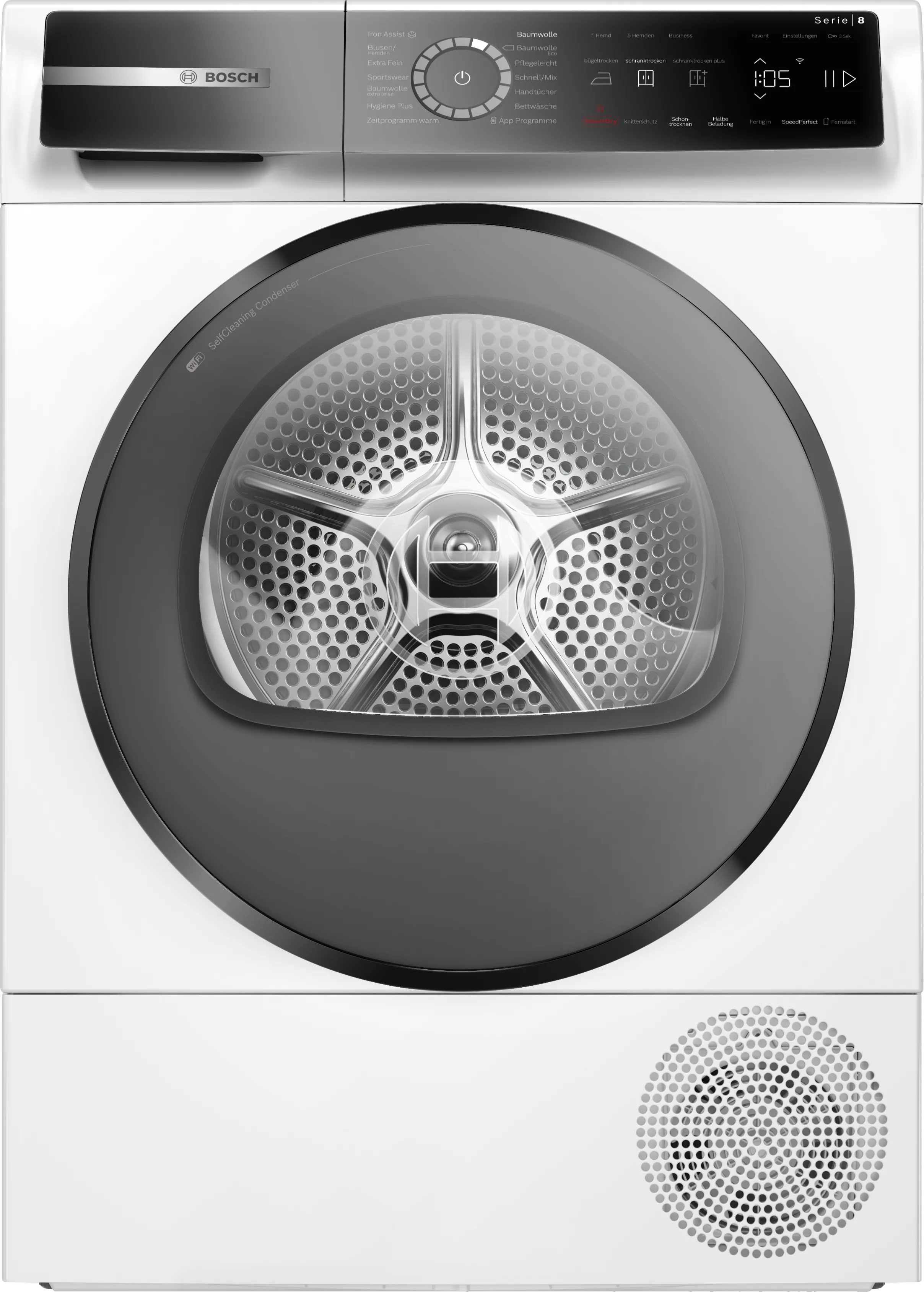
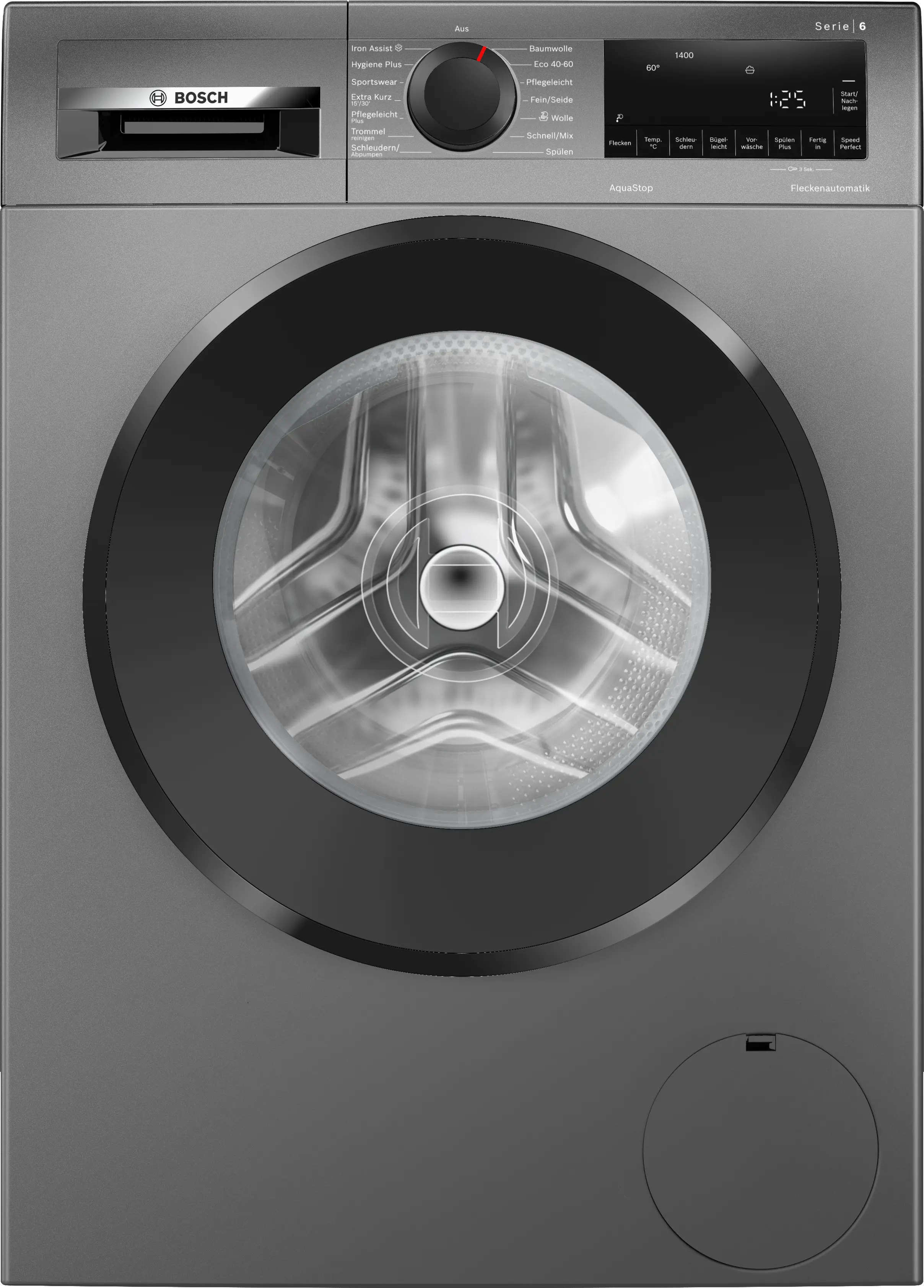
- Washers, dryers, and washer-dryer combos
- Range hoods and ventilation systems
- Coffee machines and small kitchen appliances Manuals explain installation clearances, water and electrical requirements, program settings, cleaning routines, and descaling procedures.
Power Tools
- Drills, drivers, saws, grinders, sanders, and rotary hammers
- Measuring tools: laser levels, distance meters
- Garden tools: hedge trimmers, lawn equipment Manuals detail accessories, speed settings, materials compatibility, dust extraction, battery care, and safety PPE.
Automotive and Industrial
- Sensors, control units, diagnostics equipment
- Industrial automation and drives Manuals cover wiring diagrams, communication protocols, calibration, and maintenance intervals.
How to Use Bosch Manuals Effectively
Before Installation
- Verify model numbers match the manual.
- Check electrical/water/venting specifications.
- Confirm space, clearances, and mounting requirements.
During Setup
- Follow steps in order; do not skip safety notes.
- Use specified tools and torque values.
- Calibrate and test before regular use.
Daily Operation
- Learn control symbols and settings.
- Use recommended detergents, accessories, and consumables.
- Monitor for error codes and unusual noises.
Maintenance
- Follow cleaning schedules and filter replacements.
- Perform descaling and lubrication as specified.
- Keep vents, seals, and sensors clean and functional.
Troubleshooting
- Consult error code tables and flowcharts.
- Perform safe resets and diagnostics.
- Contact authorized service for electrical or structural repairs beyond user scope.
Finding the Right Bosch Manual
On the Bosch Website
- Navigate to Support or Service.
- Enter the model/part number found on the rating plate or nameplate.
- Download PDFs by language and region.
Using Model Identifiers
- Appliances: usually inside the door, frame, or rear panel.
- Tools: stamped on the housing or near the battery bay.
- Automotive/industrial: label on the module or enclosure. Accurate model and serial numbers ensure you download the correct manual revision.
Mobile and App Access
- Some Bosch products integrate with companion apps.
- In-app help links provide digital manuals, FAQs, and video tutorials.
Key Sections You’ll Find in Bosch Manuals
Safety Instructions
- Electrical and mechanical hazards
- Symbols and signal words (Danger, Warning, Caution)
- Protective equipment and safe handling
Specifications
- Dimensions, weight, capacity
- Power ratings, pressure, flow, temperature ranges
- Noise levels and efficiency classes
Controls and Displays
- Button layout and icon meanings
- LED indicators and screen menus
Programs and Modes
- Cycle descriptions and estimated durations
- Eco modes and energy-saving tips
- Custom settings and memory functions
Care and Cleaning
- Recommended agents and prohibited chemicals
- Frequency tables for maintenance tasks
- Procedures for seals, filters, nozzles, and sensors
Troubleshooting and Error Codes
- Symptom-based guides (no power, poor results, unusual vibration)
- Error code lists with corrective actions
- When to contact service
Installation Details
- Clearances and ventilation
- Plumbing, drainage, and wiring diagrams
- Anchoring and leveling instructions
Safety First: Core Principles
Electrical Safety
- Disconnect power before service.
- Use grounded outlets and correct breakers.
- Avoid wet environments for non-rated devices.
Mechanical Safety
- Secure moving parts and blades before handling.
- Use guards, clamps, and fixtures as instructed.
- Do not bypass interlocks or safety switches.
Chemical and Thermal Safety
- Use approved cleaners; avoid abrasive agents.
- Allow hot surfaces to cool before contact.
- Handle descalers and solvents with gloves and ventilation.
Sustainability and Efficiency
Eco Modes and Best Practices
- Use eco cycles for lower energy and water use.
- Load appliances fully but not overloaded.
- Maintain filters and seals to improve efficiency.
Spare Parts and Repairability
- Refer to parts lists for genuine components.
- Follow repair steps to reduce waste and extend product life.
Common User Questions Addressed in Manuals
How do I find the model number?
Check the rating plate: inside appliance doors, rear panels, or tool housings. Manuals include diagrams showing typical plate locations.
What if I lost my manual?
Download a PDF from the official Bosch support site using your model identifier and region.
How often should I maintain my device?
Maintenance intervals vary by product. Manuals include schedules for filters, descaling, lubrication, and inspections.
What do error codes mean?
Each manual contains a table mapping codes to causes and remedies. Some require a power reset; others need service.
Can I perform my own repairs?
User-serviceable tasks are labeled. Electrical or sealed-system repairs should be performed by qualified technicians to maintain safety and warranty.
Tips for Reading and Storing Manuals
Digital Organization
- Save PDFs with model and serial identifiers.
- Store in cloud folders accessible on mobile devices.
- Bookmark key sections like error codes and maintenance.
Printed Copies
- Keep a printed quick reference near the device.
- Note installation values (clearances, torque) on the first page for fast access.
Regional Variations and Revisions
Localization
Manuals may differ by region due to voltage standards, plumbing norms, and regulations. Always choose the correct language and region.
Version Control
Check the publication date and revision code. Features, parts, and procedures may change over time. Use the latest version unless your product requires an earlier revision.
When to Contact Bosch Support
Situations Requiring Assistance
- Persistent error codes after basic troubleshooting
- Electrical faults, gas connections, or refrigerant systems
- Structural damage, leaks, or overheating
Preparing for Support
- Have model and serial numbers ready.
- Document symptoms, photos, and steps already taken.
- Reference manual pages you followed to speed diagnosis.
Best Practices for Longevity
Installation Quality
- Proper leveling, secure connections, and correct venting prevent premature wear and failures.
Routine Care
- Clean filters, seals, and ducts as scheduled.
- Use recommended consumables and accessories.
Sensible Operation
- Select programs appropriate to load and material.
- Avoid overloading, overheating, or prolonged idle operation.
Conclusion
The Value of Bosch Manuals
Bosch manuals are more than instruction sheets—they are comprehensive guides that protect your investment, optimize performance, and ensure safety. By selecting the correct manual, following its procedures, and keeping it accessible, you can operate your Bosch product with confidence, resolve issues quickly, and extend its service life.
Next Steps
Identify your model number, download the correct manual from the Bosch support portal, and familiarize yourself with key sections. Keep the manual handy—digitally and in print—for efficient setup, maintenance, and troubleshooting.
Suche nach 1 Mio. Anleitungen online


Marke oder Modell eingeben